


2026-06-24
Postpartum depression in mothers: when the sadness does not lift
Postpartum depression affects 1 in 7 mothers. Learn how to tell it apart from the baby blues, what the symptoms look like, and how to find the right support.
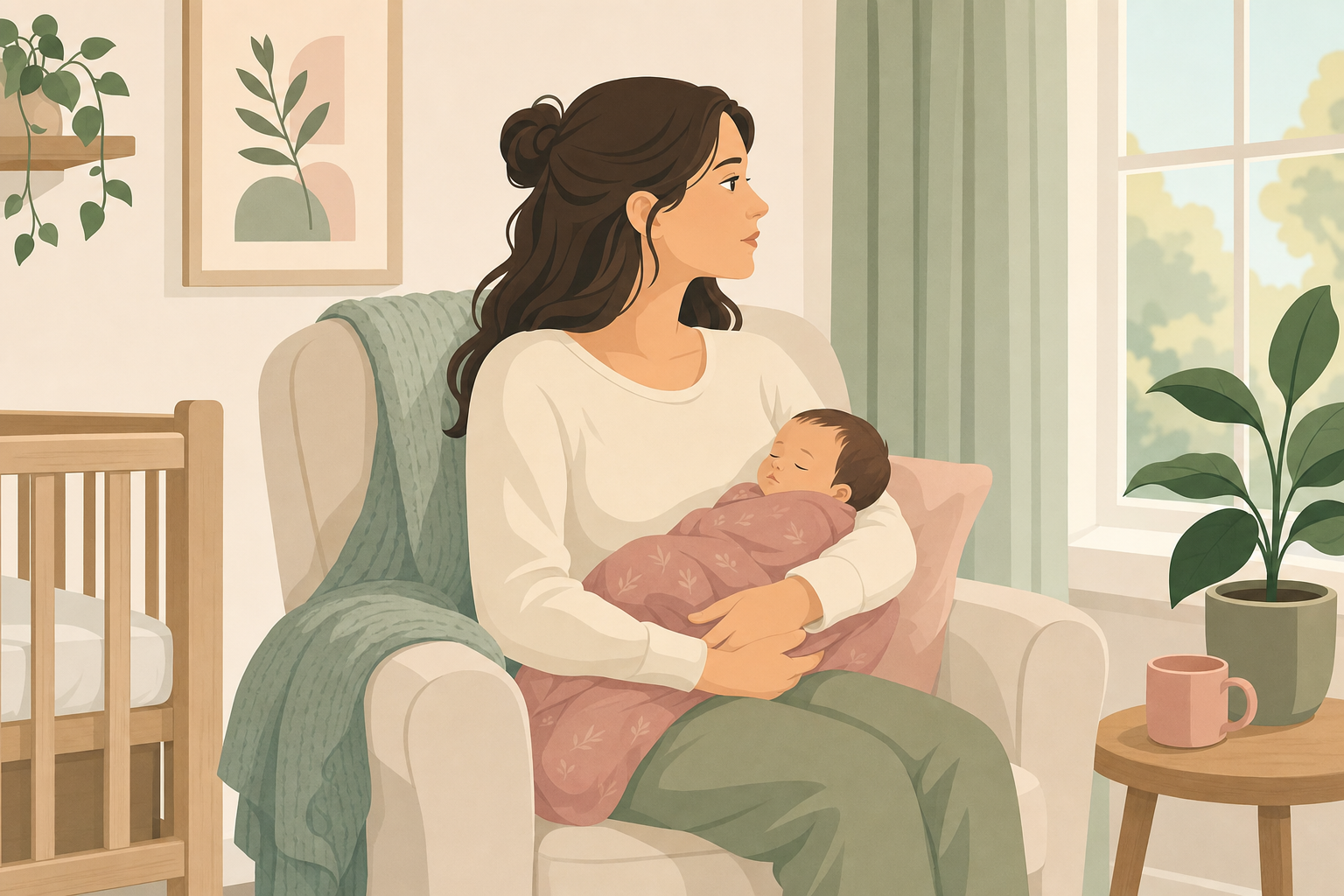
Having a baby is one of the most significant physical and hormonal events in a person's life. It makes sense that your emotional state would also be significantly affected. Postpartum depression (PPD) affects approximately 1 in 7 new mothers—and with the right support, it is treatable.
Baby blues vs postpartum depression
In the first week after birth, most new mothers experience some version of the "baby blues"—tearfulness, mood swings, anxiety, and emotional fragility tied to the dramatic drop in estrogen and progesterone. This is expected and typically resolves on its own within two weeks.
Postpartum depression is different. It is:
- More intense—not just tearful moments, but a pervasive heaviness that does not lift
- Longer-lasting—starting any time in the first year (not just immediately after birth) and not fading without support
- Functionally impairing—making it hard to care for the baby, maintain relationships, or get through the day
Symptoms to recognize
PPD can look different in different people. Common signs include:
- Persistent sadness, emptiness, or hopelessness that lasts most of the day
- Loss of interest or pleasure in things that used to bring joy—including the baby
- Feeling detached from or disconnected to your baby, or not feeling the love you expected
- Excessive guilt or self-criticism ("I am a bad mother")
- Difficulty concentrating, making decisions, or remembering things
- Fatigue that goes beyond ordinary new-parent tiredness
- Changes in appetite—eating much more or much less than usual
- Difficulty sleeping even when the baby is asleep
- Physical symptoms: headaches, digestive problems, chronic pain without clear cause
- Irritability or rage—snapping at your partner or older children
- Withdrawing from friends and family
- Thoughts of harming yourself, or frightening thoughts about harming the baby
That last point is important: intrusive thoughts about harming your baby are a symptom of a treatable illness, not evidence that you are dangerous. Tell your healthcare provider.
Who is at higher risk
PPD can affect anyone, but risk is higher with:
- A personal or family history of depression or anxiety
- A difficult pregnancy, birth trauma, or NICU stay
- A baby with colic, feeding difficulties, or health concerns
- Limited practical support from a partner, family, or community
- Financial stress or housing instability
- Relationship conflict
- Previous pregnancy loss
- Stopping antidepressants at or after birth without clinical guidance
Having risk factors does not mean you will develop PPD—it means it is worth monitoring and speaking honestly with your midwife or GP.
Getting a diagnosis
Many women feel ashamed to admit they are struggling after a birth that was "supposed" to be joyful. This shame is one reason PPD goes undiagnosed for months. Your clinician is not judging you—PPD is a physiological condition, as much as gestational diabetes or anaemia.
A GP, midwife, or health visitor can administer a validated screening tool such as the Edinburgh Postnatal Depression Scale (EPDS). A score does not give a final diagnosis, but it opens the conversation and guides next steps.
Be as honest as you can. If you are minimizing your symptoms in the appointment, try writing them down in advance.
Treatment options
Effective treatments exist for every severity level:
- Psychological therapies: Cognitive behavioral therapy (CBT) and interpersonal therapy (IPT) have the strongest evidence base. Many services offer mother-and-baby group therapy, which also reduces isolation.
- Medication: Antidepressants, particularly SSRIs, are effective and most are considered compatible with breastfeeding. The risk of untreated PPD to the mother and infant relationship is generally greater than the risk from medication—discuss the specifics with your prescriber.
- Peer support: Contact with other mothers who have been through PPD is consistently cited as one of the most helpful elements of recovery. Organizations like PANDAS Foundation and Postpartum Support International run peer groups.
- Practical support: Sleep, even in fragments, helps. Accepting help with feeds, household tasks, or childcare is not giving up—it is treatment.
How sleep and PPD interact
PPD and sleep deprivation amplify each other. Depression disrupts sleep architecture even when the opportunity is there; sleep deprivation deepens depressive symptoms. Prioritizing sleep is not selfish—it is part of the treatment. Tracking sleep patterns can help you and your clinician see trends and recovery.
Supporting someone with PPD
If you are a partner or family member: take initiative. "How are you feeling?" is easier to deflect than "I am going to take the baby for two hours so you can sleep—no arguments." Practical action communicates care better than questions.
Urgent support
If you are having thoughts of suicide or harming yourself or your baby, seek help immediately.
- UK: Samaritans 116 123 (24/7), or speak to your midwife, GP, or A&E
- US: 988 Suicide and Crisis Lifeline (call or text 988)
- Sweden: Mind självmordslinjen 90101
- Norway: Mental Helse 116 123
- Denmark: Livslinjen 70 201 201
References
- O'Hara MW, McCabe JE. Postpartum depression: current status and future directions. Annu Rev Clin Psychol. 2013;9:379-407.
- NICE guideline NG192 — Antenatal and postnatal mental health (2020): https://www.nice.org.uk/guidance/ng192
- Postpartum Support International: https://www.postpartum.net/