


2026-06-24
Postpartum anxiety: the racing thoughts no one warned you about
Postpartum anxiety is at least as common as postpartum depression—and it is frequently missed. Here is how to recognize it, why it differs from PPD, and how to treat it.
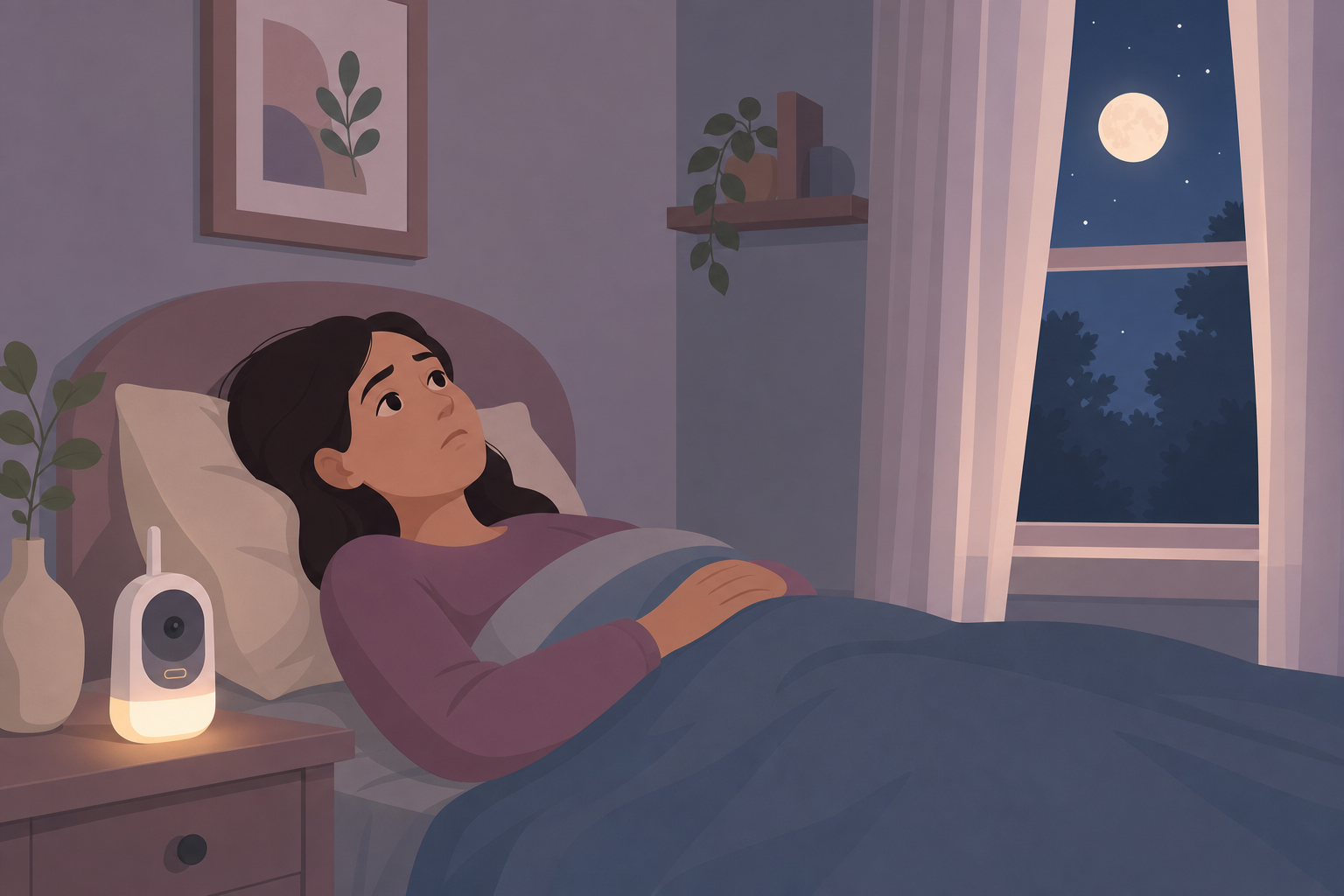
Everyone expects new parents to worry. But there is a difference between normal parenting vigilance and postpartum anxiety (PPA)—a clinical condition that affects an estimated 10–15% of new mothers, and possibly more. Unlike postpartum depression, PPA does not always look sad. It can look like being highly capable, constantly alert, and never able to switch off.
How postpartum anxiety differs from postpartum depression
PPD is characterized primarily by low mood, numbness, and withdrawal. PPA is characterized by excessive worry, hypervigilance, and physical tension. They can and do co-occur—about half of mothers with PPD also have significant anxiety—but many mothers have PPA without feeling depressed at all.
Because PPA does not fit the "sad new mother" picture, it is frequently dismissed by clinicians and by the mothers themselves. "I just want to make sure my baby is safe" feels like good parenting, not a disorder. The distinction lies in whether the anxiety is proportionate to the actual risk, and whether it is impairing your functioning and quality of life.
Symptoms of postpartum anxiety
Psychological:
- Racing thoughts that will not stop, especially at night
- Constant "what if" worries about the baby's breathing, feeding, development, safety
- Difficulty tolerating uncertainty about anything baby-related
- Intrusive, distressing mental images—imagining the baby being dropped, suffocated, hurt
- Checking behaviors: repeatedly checking the baby monitor, breathing, temperature
- Dread that "something bad is going to happen" without a specific cause
- Difficulty being present or enjoying time with the baby because of constant mental alertness
Physical:
- Racing heart or heart palpitations
- Shortness of breath or feeling like you cannot get a full breath
- Muscle tension, jaw clenching, headaches
- Nausea or stomach upset
- Dizziness
- Sweating
- Difficulty falling or staying asleep even when the baby is settled and you are exhausted
Intrusive thoughts: what they are and are not
Intrusive thoughts—unwanted mental images or thoughts of the baby being harmed—are among the most distressing symptoms of postpartum anxiety and are closely related to postpartum OCD. Critically: having an intrusive thought is not the same as wanting to act on it. The distress you feel when such a thought arises is precisely what distinguishes intrusive OCD-spectrum thoughts from dangerous thoughts. Mothers who are actually at risk of harming their babies typically feel calm, not horrified.
That said, please tell your healthcare provider. These thoughts are common, treatable, and nothing to be ashamed of—but they warrant proper assessment.
Why is it so underdiagnosed?
Several factors keep PPA in the shadows:
- Hypervigilance looks like competence. An anxious mother who checks everything, never sleeps when the baby sleeps, and insists on doing everything herself may look like "a devoted parent" to outsiders.
- Screening tools miss it. The Edinburgh Postnatal Depression Scale—the most widely used postpartum screening instrument—was designed for depression. Its anxiety subscale is short. Many services do not use a dedicated anxiety screen.
- Mothers minimize it. "Isn't everyone anxious with a newborn?" Yes—but not to the point of physical symptoms, sleep disruption, or inability to let anyone else hold the baby.
Risk factors
- A personal or family history of anxiety, panic disorder, or OCD
- A history of infertility, pregnancy loss, or a complicated birth
- A baby with health concerns or admission to NICU
- Perfectionism or high personal standards before pregnancy
- Lack of sleep (which lowers the threshold for anxiety significantly)
- Social isolation
Treatment
Cognitive behavioral therapy (CBT) is the gold-standard psychological treatment for postpartum anxiety, including its OCD-spectrum presentations. Exposure and response prevention (ERP) specifically targets the checking and avoidance behaviors that keep anxiety alive.
Medication: SSRIs are effective for anxiety and most are compatible with breastfeeding. If anxiety is severe, ask your GP about referral to a perinatal mental health team.
Self-help strategies with some evidence:
- Scheduled worry time: contain anxiety to a 15-minute window rather than letting it colonize the whole day
- Reducing checking behaviors incrementally—every check reinforces the anxiety signal
- Diaphragmatic breathing to downregulate the physiological arousal response
- Gentle physical activity
Sleep: Anxiety and insomnia are tightly linked. A consistent wind-down routine and protecting one longer sleep block (with partner or support cover) can reduce nighttime catastrophizing significantly.
What to say to your doctor
If you are not sure how to start: "I have constant racing thoughts about the baby being harmed, I am not sleeping even when I can, and I feel physically tense all the time. I think it might be more than normal worry."
You can also complete the Generalized Anxiety Disorder scale (GAD-7) and bring it to the appointment.
Urgent support
If anxiety has escalated to panic attacks that feel unbearable, or if you are having intrusive thoughts that frighten you, speak to your GP or midwife promptly. If you feel at risk of harming yourself:
- UK: Samaritans 116 123 (24/7)
- US: 988 Suicide and Crisis Lifeline
- Sweden: Mind självmordslinjen 90101
- Norway: Mental Helse 116 123
- Denmark: Livslinjen 70 201 201
References
- Dennis CL, Falah-Hassani K, Shiri R. Prevalence of antenatal and postnatal anxiety. Br J Psychiatry. 2017;210(5):315-323.
- Postpartum Support International — Anxiety: https://www.postpartum.net/learn-more/anxiety-during-pregnancy-postpartum/
- OCD Action — Perinatal OCD: https://ocdaction.org.uk/