


2026-06-25
White noise and sound machines for babies: safer use checklist
Volume guidance in plain language, placement tips, weaning sounds later, and how timers can help—always follow manufacturer and pediatric advice.
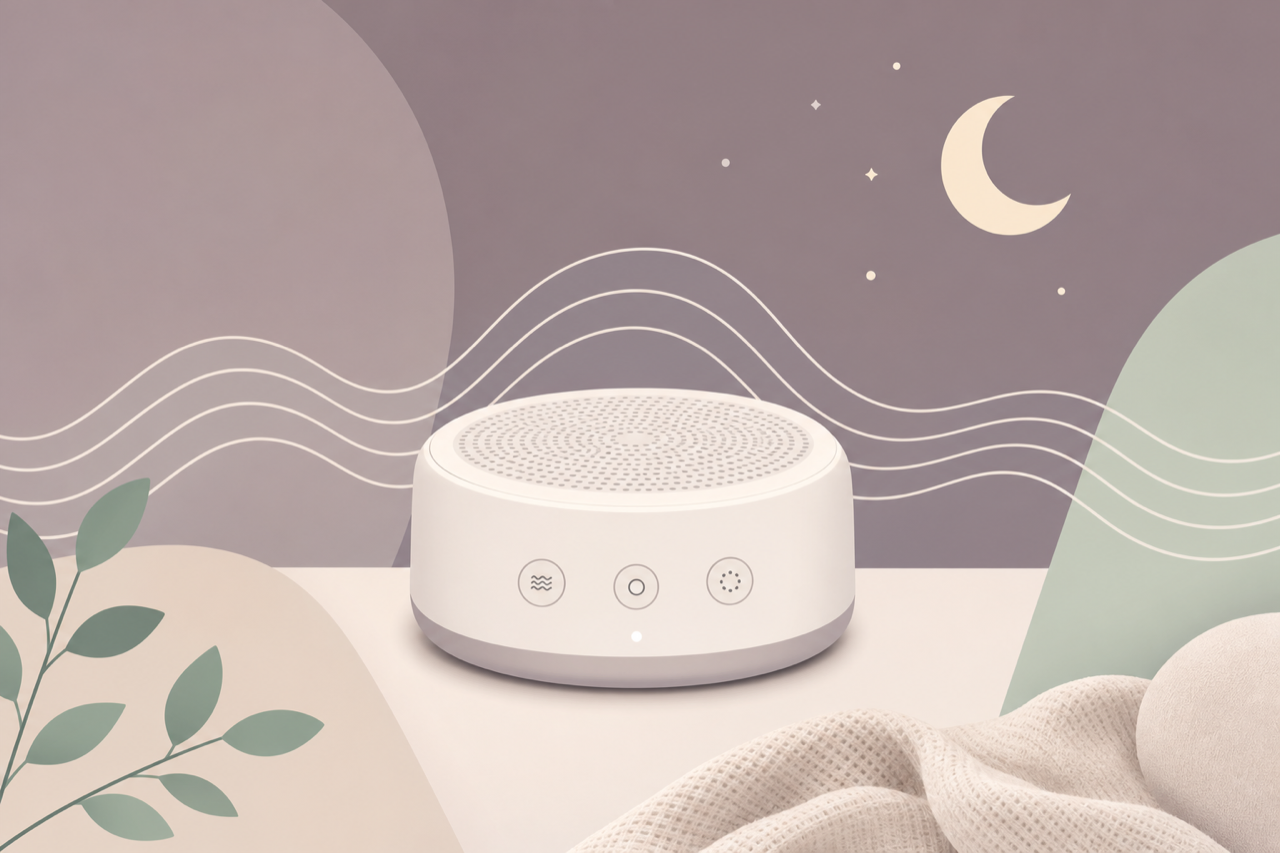
Sound machines can mask household noise and create a consistent cue for sleep. Safety is mostly about volume and placement: keep devices away from the crib and use conservative volume settings. Pediatric organizations emphasize safe sleep surfaces and environments—sound should support that framework, not compete with it.
Practical safety checklist
- Place the machine across the room, not inside the sleep space.
- Prefer continuous sound over unpredictable alerts/chimes.
- If unsure about hearing risk, ask your clinician for guidance.
- Reassess volume as baby grows closer to toddlerhood and explores cords.
Travel and consistency
If you rely on sound at home, travel can feel harder. Portable settings at lower volume beat blasting hotel white noise near the travel crib.
AAP safe sleep overview: Sleep.
Apps suggest; caregivers decide
Any schedule suggestion is only as good as the data and context you bring: illness, travel, and temperament all matter. If something feels medically off, trust your clinician—not a blog headline or a single metric.
Safe sleep defaults repeat on tired nights
When exhaustion hits, the safest plan is the one you can return to without thinking: firm flat surface intended for sleep, smoke-free air, and an environment that matches your local guidance. Ask your midwife or pediatric clinician for written resources you trust.
Short naps can be a phase—or a signal
Environment, timing, and comfort all interact. Adjust one variable at a time and give it several days before you judge. If you suspect pain, ear issues, or reflux patterns, ask your clinician rather than guessing online.
Wake windows are starting guesses
Charts are averages, not contracts. Watch your baby’s sleepy cues and move timing in small steps. Hunger and discomfort can look like “fighting sleep”—rule those out alongside timing experiments.
Contact naps are a tool, not a verdict
Carrying sleep happens often in the early months and during illness. If you want more crib practice, change one nap at a time and keep wind-down cues consistent. Your worth is not measured by furniture.
Nap transitions deserve patience
Moving from three naps to two is usually a process, not a single Tuesday decision. Protect the first nap when you can, cap a shrinking third nap, and move bedtime earlier temporarily while the body adjusts.